
Loyalty Programs for Cafés and Restaurants
September 7, 2026 · 3 min read
Why cafés need loyalty programs at all
Why a café needs a loyalty program in the first place: how it brings guests back more often and raises the average check — and why it's not just a discount.
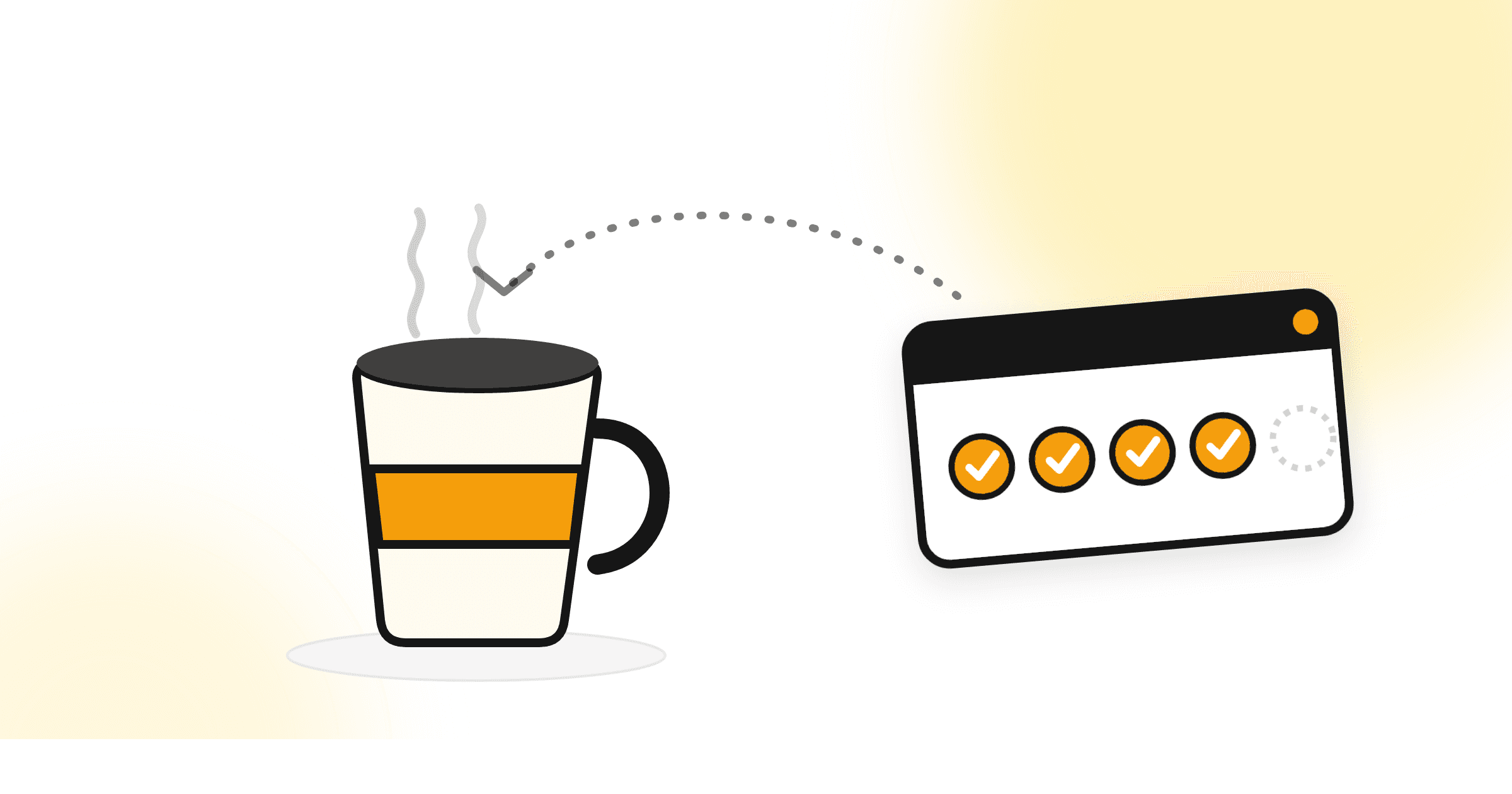
A loyalty program usually starts with a simple idea: “let's give regulars a discount.” But the real task is far more interesting. A café doesn't just need to hand out bonuses — it needs to change customer behavior: get them to come back a little sooner, visit one more time this month, add a dessert to their coffee, or pick this particular café during their free hour.
That's why it makes more sense to think of a modern loyalty program not as a discount card, but as a tool for working with repeat purchases.
Why a repeat customer matters so much
For a café, a new customer always costs money: advertising, promotions, marketing, and the time the business spends catching someone's attention.
A regular customer is different. They already know the place, the menu, and the level of service. If their visits become regular, the café gets more predictable revenue.
Restaurant-industry research shows that loyalty programs are used above all to increase visit frequency, share of wallet, and average check size.
A bit of history
Modern digital programs didn't appear out of nowhere. Long before mobile apps, stores used tokens, coupons and trading stamps to reward repeat purchases.
S&H Green Stamps appeared in the late 19th century. Customers earned stamps for purchases, collected them, and later exchanged them for goods.
In 1981, American Airlines launched AAdvantage, one of the first modern airline loyalty programs. The reward stopped being just a paper coupon and became a systematic tool for working with the customer.
For cafés, the digital revolution opened up even more possibilities. Now a program can remember not just the number of visits, but the order amount, favorite dishes, visit times, and the gap between visits.
What problems a loyalty program solves
A good program usually has a specific business goal.
- Bring a customer back. If a regular hasn't visited in a while, you can send them a personal offer.
- Increase visit frequency. The reward can be structured so it's worth their while to come back again.
- Increase the average check. For example, a reward unlocks once an order reaches a certain amount.
- Fill low-demand hours. This is where Happy Hours or boosted point earning at certain times come in.
- Retain your most valuable customers. Tiers, special offers and perks work well for them.
What a program shouldn't do
The biggest mistake is handing a discount to everyone regardless. If someone was going to buy a coffee anyway, the discount just cuts revenue — the café ends up paying for behavior the customer would have shown anyway. A good loyalty mechanic should answer one simple question: which customer action do we actually want to change?
If you need to increase frequency, the program should be built around frequency. If you need to raise the check, you need a different mechanic. If the café sits empty from 3 to 5 pm, there's no point offering the same reward all day. That's where a modern approach to loyalty begins: not “give a discount,” but manage customer behavior.
In the next articles we'll look at individual mechanics — discounts, stamp cards, cashback, Happy Hours, personal offers and VIP tiers — and see when each one actually makes sense.
Want a loyalty program like this for your business?
Try it free for 7 days — no card required, no commitment.
Get in touch